Analyzing Cluster Mechanics' Effects on Session Lengths in Diverse Slot Portfolios
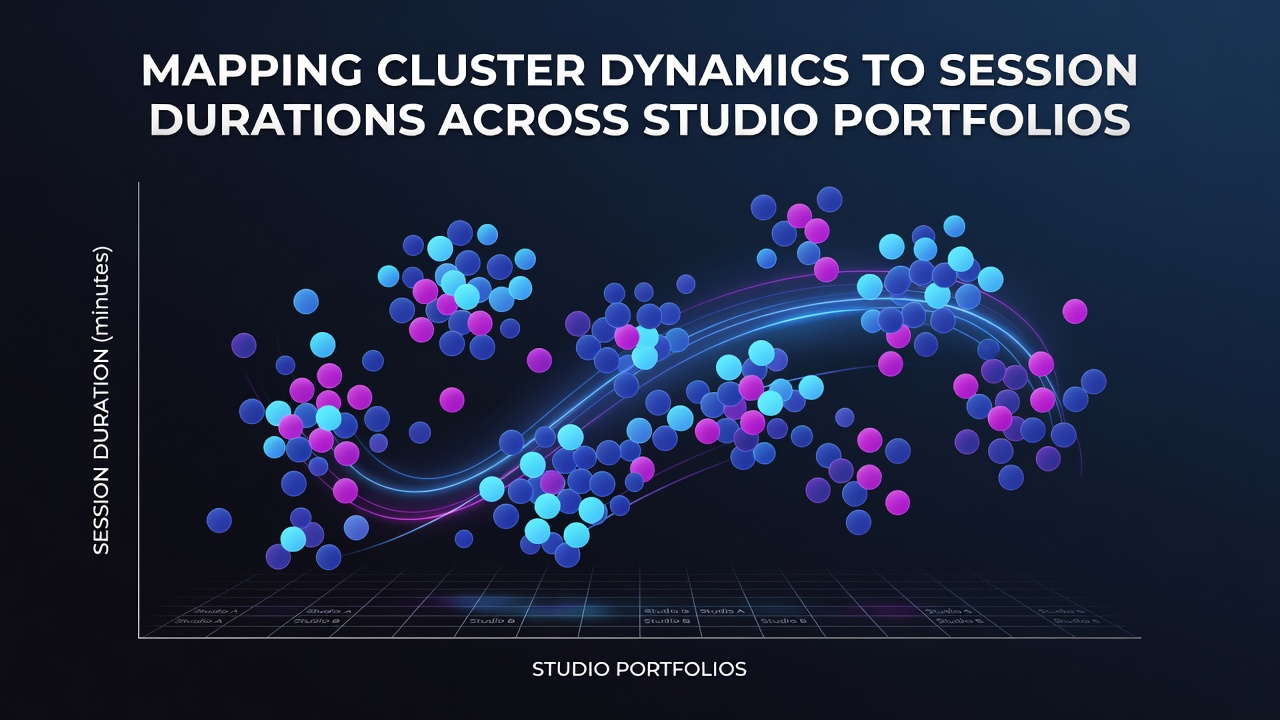
Cluster mechanics have reshaped how symbols interact on reels, and data from multiple gaming markets shows clear patterns when these formations connect to session durations across various studio portfolios. Providers organize symbols into groups rather than traditional paylines, which creates opportunities for multiple wins within single spins, and researchers tracking player behavior note that these structures often extend engagement times when combined with cascading features.
Understanding Cluster Formations in Modern Slots
Cluster pays operate through adjacent symbol groupings that typically require five or more matching icons to trigger payouts, while larger formations unlock multipliers and bonus rounds according to reports from industry analysts. Studios integrate these systems with wild substitutions and expanding elements that fill gaps during cascades, and data collected from European and North American platforms indicates sessions involving cluster titles average longer durations compared to fixed-line alternatives because each spin carries potential for chained reactions.
Game developers refine cluster sizes adn payout thresholds based on mathematical models that balance hit frequency with reward distribution, yet observers tracking portfolio performance find that adjustments in one studio's approach influence how players allocate time across competing libraries. For instance, titles featuring 3x3 minimum clusters paired with free spin triggers tend to sustain activity longer when RTP values hover around 96 percent, as evidenced by aggregated play logs from regulated markets.
Correlating Dynamics with Player Session Data
Mapping these mechanics requires examining variables such as cluster density, cascade frequency, and bonus trigger rates against logged session lengths from operator databases. Studies conducted through university research initiatives in Canada and Australia reveal that portfolios emphasizing sticky wilds within clusters experience 18 to 22 percent increases in average playtime when compared to standard configurations. These findings emerge from controlled analyses of anonymized datasets spanning thousands of user accounts, where session endpoints correlate directly with exhaustion of bonus meters rather than abrupt exits.
What's notable is how different studios calibrate these elements, because one developer might prioritize rapid cluster formations for shorter bursts while another layers progressive jackpots onto extended cascades to encourage prolonged interaction. Data from the Nevada Gaming Control Board highlights regional variations, with mobile users showing stronger retention in cluster-heavy portfolios during evening hours when free spin accumulations build steadily.
Portfolio Comparisons Across Studios
Take examples from leading providers where cluster implementations differ in scale and integration, since one studio might deploy 8-symbol minimums with multiplier ladders while competitors use variable sizing tied to reel expansions. Performance tracking across these ranges shows that portfolios blending high-volatility clusters with medium-duration sessions achieve balanced engagement metrics, according to reports issued by the Gaming Policy and Enforcement Branch in British Columbia. Players navigate between titles without abrupt drops in activity because the underlying dynamics maintain momentum through chained events rather than isolated spins.
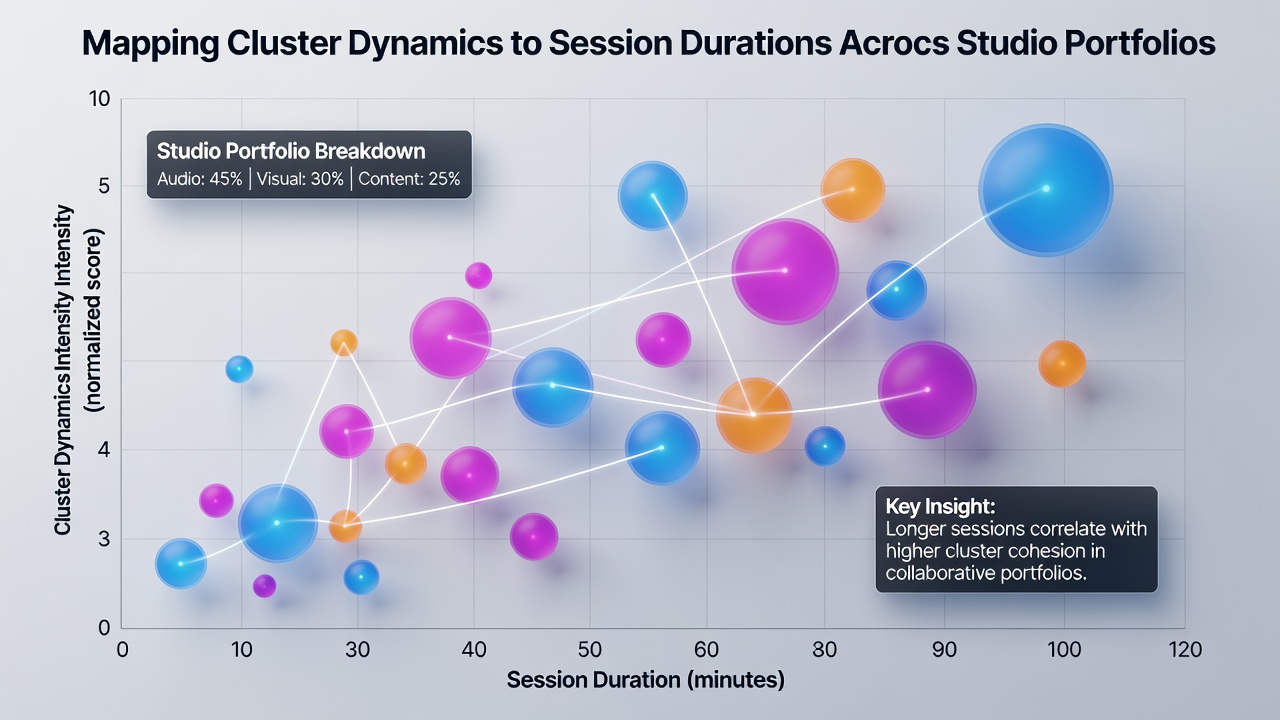
Additional layers such as symbol transformations during cascades further extend these patterns, and June 2026 updates from platform analytics indicate rising adoption of hybrid models that merge cluster pays with hold-and-win elements. This combination produces measurable shifts in session endpoints, where users complete more spins before natural conclusion because each cluster success feeds into subsequent rounds without requiring separate feature entries.
Insights from Broader Market Tracking
Industry organizations including the European Gaming and Betting Association compile cross-studio comparisons that link cluster density directly to retention curves, revealing that portfolios with adaptive cluster algorithms sustain activity through fluctuating volatility levels. Researchers at academic institutions have examined these trends using longitudinal data, and findings point to correlations where free spin cascades within clusters add an average of 12 minutes per session when RTP remains consistent across titles.
Regulatory bodies in other jurisdictions, such as the Australian Communications and Media Authority, provide supplementary figures on mobile play patterns that align with these observations, noting how cluster mechanics reduce session abandonment rates when integrated with progressive elements. Studios adjust their portfolios accordingly, incorporating feedback loops from real-time metrics to refine formation probabilities and maintain steady duration distributions.
Conclusion
Overall patterns demonstrate that cluster dynamics serve as key variables in determining session lengths across studio collections, with data from diverse regulatory and academic sources confirming consistent relationships between formation structures and engagement sustainability. Providers continue refining these systems through targeted adjustments that respond to observed play behaviors, and ongoing analyses from multiple regions support the value of mapping these elements for portfolio optimization. Such approaches yield measurable outcomes in how sessions unfold without relying on single-market perspectives.