Independent Studios Pioneer Symbol Clustering Approaches That Prolong Mobile Slot Play
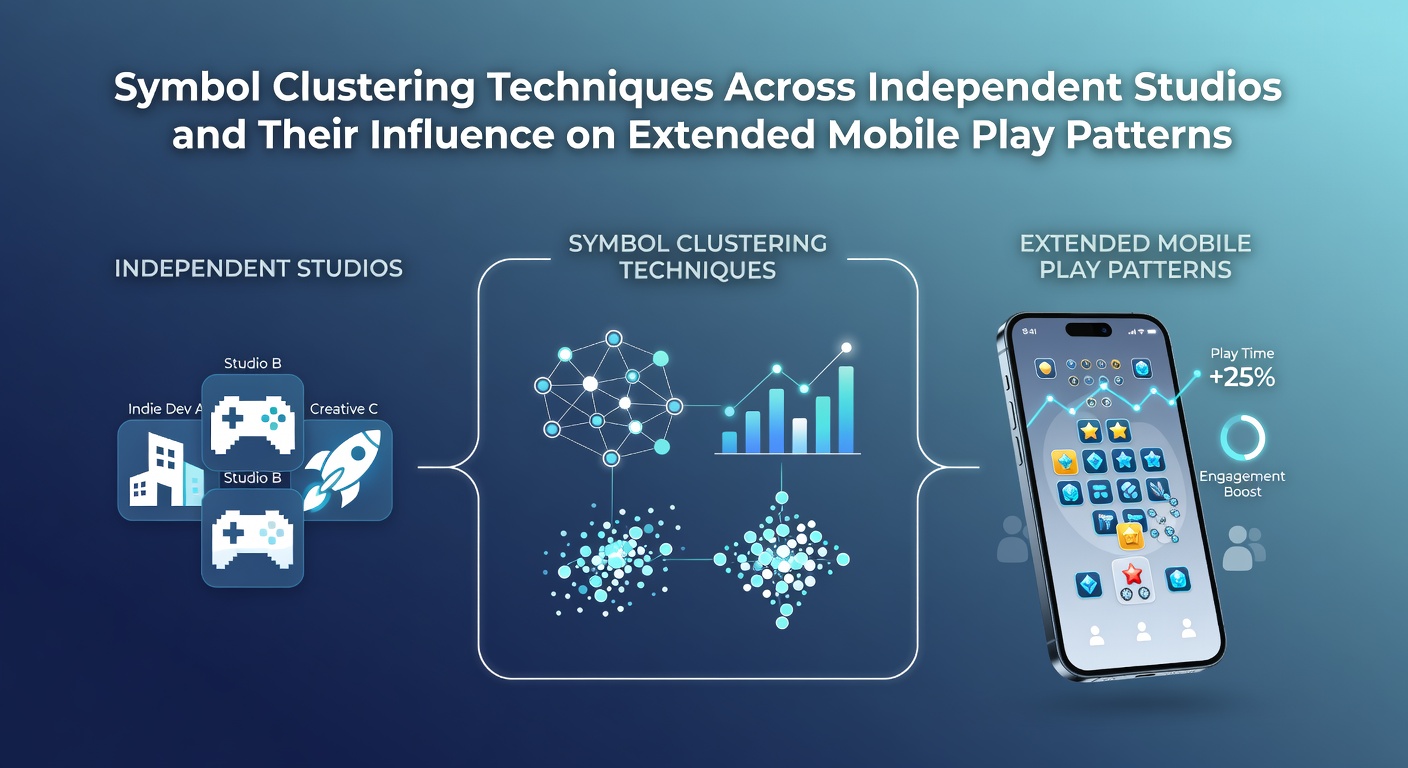
Independent game developers have refined symbol clustering methods that group matching icons based on adjacency rules rather than traditional paylines, and these approaches continue to shape how players interact with mobile slots over extended periods. Studios operating outside major corporate structures often experiment with variable cluster sizes, geometric formations, and dynamic adjacency thresholds, while data from multiple industry analyses shows measurable effects on session durations across portable devices.
Core Clustering Mechanisms in Boutique Development
Smaller teams implement cluster definitions that require between five and nine identical symbols to connect horizontally or vertically, and some variants add diagonal connections or L-shaped patterns to increase payout frequency without altering core return-to-player percentages. These choices allow developers to adjust volatility profiles so that frequent smaller clusters sustain momentum during longer play windows. Observers note that such flexibility stands in contrast to fixed-line systems, since clusters expand or contract based on reel outcomes in real time.
Additional layers include size-based multipliers that scale with cluster dimensions, and several studios integrate secondary symbols that transform adjacent positions to complete new groups. Research indicates these layered rules appear more often in titles released during the first half of 2026, particularly in updates that reached mobile platforms in May. The resulting sequences create chained reactions that keep reels active longer, reducing the intervals between user inputs.
Regional Variations and Technical Adaptations
European independent groups tend to emphasize compact three-by-three cluster zones that favor rapid resolution on smaller screens, whereas North American developers explore larger grid sections that reward broader formations. Australian studios have tested hybrid models combining clusters with fixed wild positions, and reports from the Canadian Gaming Association highlight corresponding increases in average session length when these mechanics appear in portable formats. Mobile optimization plays a central role, since touch interfaces register cluster selections faster when visual boundaries remain clear and animations stay brief.
Observed Effects on Mobile Engagement Patterns
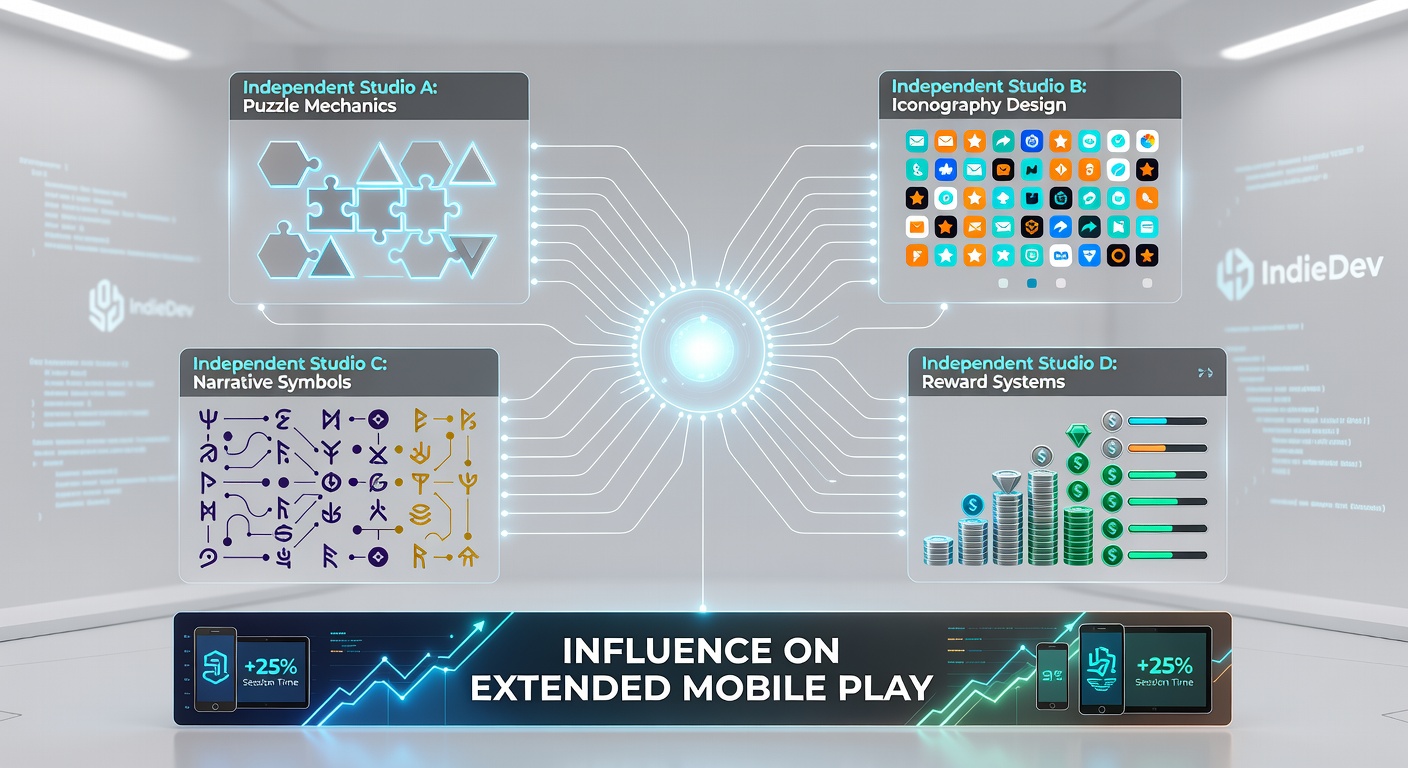
Figures released by academic researchers tracking behavioral telemetry reveal that cluster-based games produce more consistent interaction rates over thirty-minute intervals compared with line-based equivalents. Players encounter repeated visual feedback from expanding groups, and this feedback loop correlates with reduced session abandonment in datasets collected through 2026. Independent studios often publish post-release metrics showing that titles featuring adaptive cluster thresholds maintain higher daily active user counts on smartphone platforms.
Additional studies from the International Game Developers Association document how color-coded cluster boundaries and incremental meter fills guide attention across the screen without requiring constant scrolling or zooming. These design choices prove especially effective on devices with limited display real estate, where players maintain focus through successive cluster resolutions rather than pausing between spins.
Integration With Mobile-Specific Constraints
Hardware limitations such as variable refresh rates and battery consumption influence how clusters render during extended sessions, and developers adjust animation timing accordingly. Shorter particle effects and simplified transition sequences appear in many 2026 releases to preserve frame rates while still highlighting cluster completions. Data collected across multiple device classes shows that optimized clustering reduces perceived load times between rounds, thereby supporting continuous play without hardware strain.
Network considerations also factor into implementation, since real-time cluster calculations must synchronize across intermittent connections common in mobile environments. Independent teams frequently employ client-side prediction models that pre-calculate likely cluster outcomes, then reconcile server results once connectivity stabilizes. This technical approach minimizes interruptions that might otherwise shorten sessions.
Conclusion
Symbol clustering techniques developed by independent studios continue to demonstrate measurable influence on mobile play duration through adaptive grouping rules, visual feedback systems, and hardware-aware optimizations. Evidence gathered from industry reports and academic tracking indicates these methods sustain engagement by balancing payout frequency with session flow, particularly in releases that appeared during May 2026. Continued refinement across regional developers suggests further evolution in cluster mechanics tailored specifically to portable formats.