Integrating Auditory Visual Signals with Mathematical Models in Reel Engineering
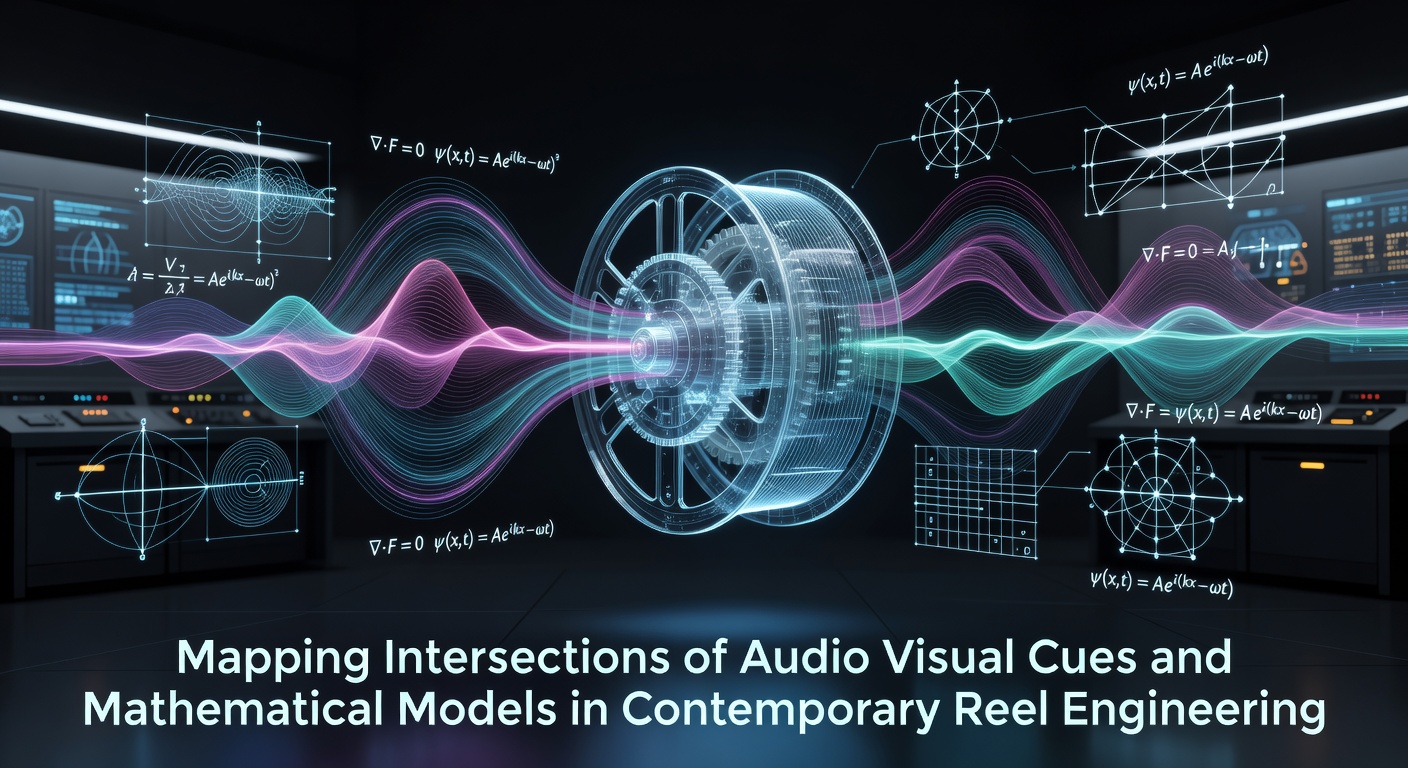
Contemporary reel engineering draws together auditory signals, visual animations, and underlying mathematical structures to shape player interactions across digital gaming platforms, and developers continue refining these elements through precise calibration techniques that align sensory outputs with algorithmic calculations. Studies from research institutions show that sound frequencies often correspond directly to payout probabilities while visual transitions follow volatility indexes derived from random number generator sequences.
Foundations of Audio-Visual Design in Reel Systems
Audio elements in reel-based games function as timed responses to mathematical triggers, with developers programming specific decibel levels and pitch variations to match win magnitudes calculated through return-to-player formulas. Researchers at engineering labs have documented cases where layered soundtracks activate only after certain symbol combinations exceed predefined thresholds, ensuring the auditory experience reinforces the statistical outcomes embedded in the code. Visual components operate in parallel, using color gradients and particle effects that scale according to the same probability distributions governing reel stops.
Those who analyze production workflows note that synchronization protocols prevent mismatches between visual reel spins and accompanying audio bursts, which could otherwise disrupt player perception of fairness. Data from industry reports indicates that precise timing intervals, often measured in milliseconds, stem from iterative testing against simulation models that replicate millions of spin cycles.
Mathematical Structures Guiding Sensory Outputs
Probabilistic frameworks form the core of reel engineering, where random number generators produce sequences that determine symbol positions and simultaneously inform the intensity of associated audio-visual feedback. Engineers map these sequences onto cue libraries so that higher-variance outcomes trigger more elaborate animations and sustained musical phrases, while frequent low-value results receive subtler sonic and graphic treatments. Observers in technical reviews point out that such mappings rely on weighted distribution tables updated periodically to reflect performance metrics collected from live deployments.
By May 2026 several providers had incorporated adaptive algorithms capable of adjusting cue parameters mid-session based on accumulated spin data, allowing real-time alignment between emerging mathematical patterns and sensory delivery. This approach draws from earlier models refined in North American testing facilities where regulatory bodies like the Nevada Gaming Control Board established baseline standards for outcome predictability and presentation consistency.
Case Examples of Integrated Systems
One development team working on grid-based formats discovered that cluster formations produced distinct audio signatures when the underlying calculation engine flagged multi-symbol groupings above a set density threshold. Visual expansions followed immediately, expanding reel boundaries in proportion to the computed cluster value while synchronized chimes reinforced the event without overpowering the primary soundtrack. Similar patterns appear in progressive setups where accumulating meters influence both visual meter fills and escalating tonal layers.
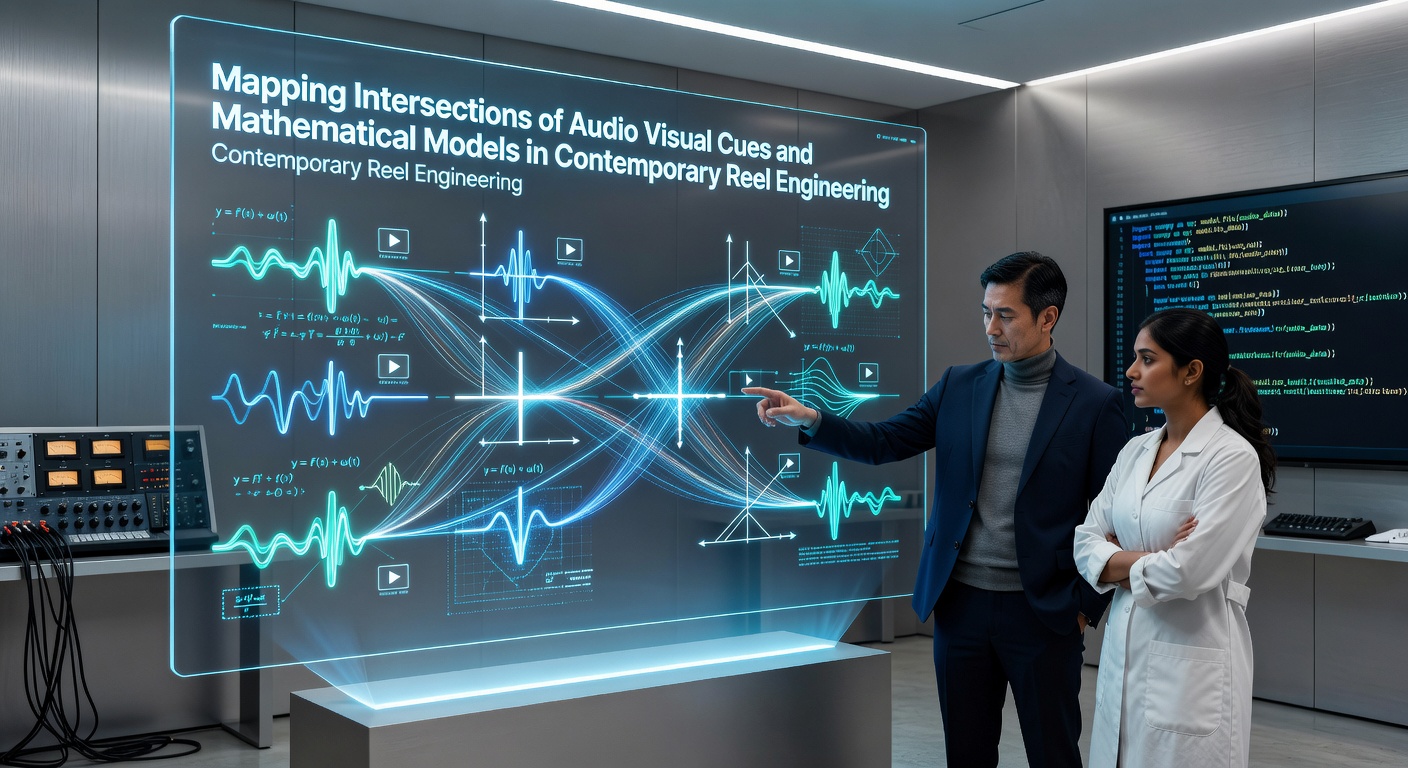
Another documented instance involves mobile implementations where device sensors feed additional variables into the mathematical model, prompting subtle shifts in audio panning and visual brightness calibrated to maintain engagement across varying screen sizes. Figures from Gaming Laboratories International analyses reveal that these layered systems reduce perceived latency by coordinating cue triggers with pre-calculated outcome buffers.
Regulatory and Technical Considerations Across Regions
Agencies in different jurisdictions maintain guidelines that require transparent documentation of how audio-visual cues derive from mathematical models, ensuring players receive consistent information about game behavior. Australian authorities have issued technical standards emphasizing measurable correlations between sound duration and hit frequency rates, while Canadian provincial regulators focus on audit trails that log every cue activation alongside its probabilistic trigger. These requirements encourage engineers to create modular cue sets that can be validated independently of the core random generation code.
Academic papers emerging from university gaming research groups further explore optimization techniques, such as using Fourier transforms to analyze frequency spectra against distribution curves so that audio profiles avoid unintended emphasis on particular outcome ranges. Implementation teams apply these findings during quality assurance phases to verify that visual particle counts and audio amplitudes remain proportional to expected value calculations.
Conclusion
The ongoing evolution of reel engineering demonstrates sustained attention to the precise mapping of auditory and visual elements onto mathematical foundations, with updates through 2026 highlighting continued refinement of adaptive synchronization methods. Industry participants rely on cross-verified data sets and regional compliance frameworks to maintain functional integrity across diverse deployment environments, supporting consistent player experiences grounded in established computational principles.