Layered Symbol Systems: Provider Approaches to Extending Mobile Slot Engagement
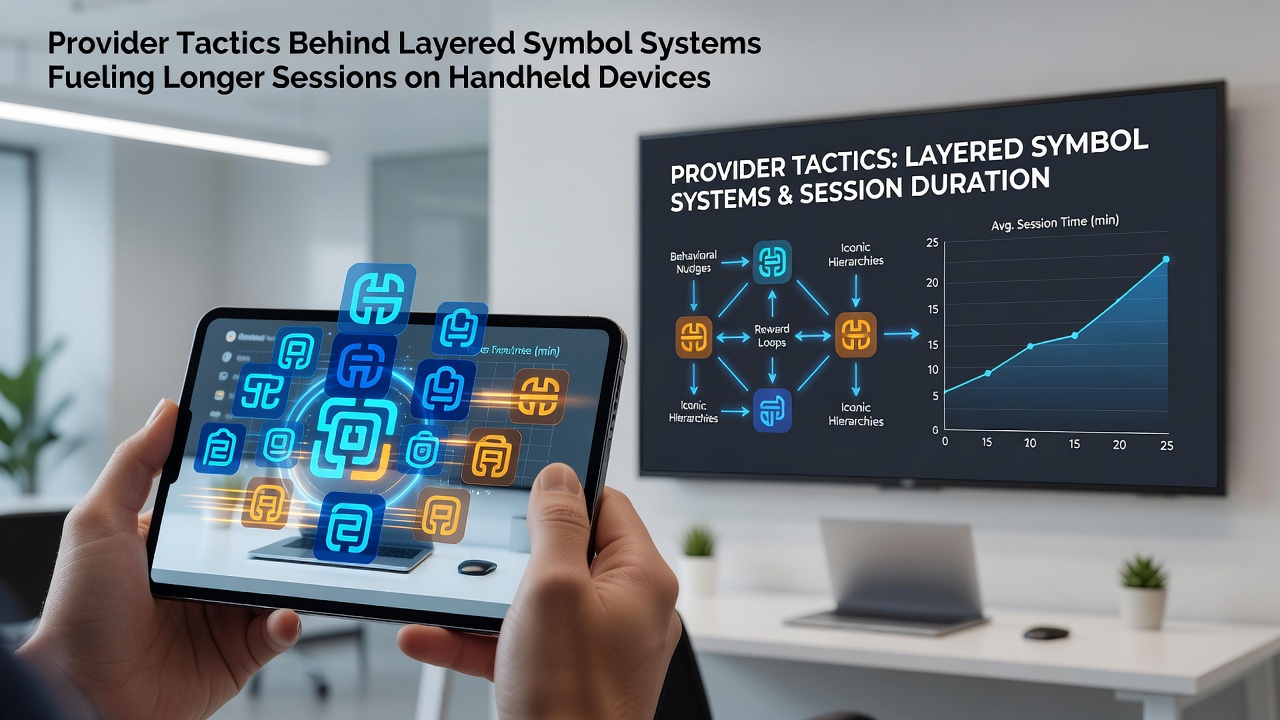
Layered symbol systems represent a core development in mobile slot design where providers build multiple symbol states into single reel positions; these systems allow symbols to transform, stack, or activate additional features during spins and this approach connects directly to session duration metrics tracked across handheld platforms.
Mechanics of Layered Symbol Integration
Providers construct symbols with embedded layers that reveal progressive values as reels settle and each layer might carry base payouts, multipliers, or entry points to bonus sequences while the mobile interface renders these changes through quick animations that maintain visual flow without requiring additional taps. Research from the University of Nevada, Las Vegas shows that such layering reduces decision friction for users and keeps interaction loops active because players observe incremental changes rather than static outcomes.
Engineers program these layers to trigger based on random number generator thresholds combined with player history data so that symbols evolve in patterns that align with common mobile play rhythms like short commutes or evening downtime and data indicates these adjustments correlate with extended time on device.
Mobile Platform Adaptations
Handheld constraints shape how providers implement layering since smaller screens demand clearer visual hierarchies and touch-responsive feedback; symbols expand or highlight on selection while maintaining frame rates above 60fps to prevent lag during rapid spin sequences. Observers note that developers test these features extensively on various operating systems to ensure consistent performance across different device models and network conditions.
Session tracking tools integrated into the backend collect metrics on spin frequency and feature activation rates and providers refine layering density accordingly to balance excitement with sustained play without overwhelming the interface.
Session Duration Patterns and Data Trends
Figures from industry reports compiled in early 2026 reveal average mobile session lengths increasing in markets where layered systems appear frequently and analysts attribute part of this shift to the way symbols create chained events that prompt one more spin after another. A study released through the American Gaming Association in June 2026 documented similar patterns in regulated North American jurisdictions where feature depth influenced return-to-play intervals.
Those who've examined telemetry logs find that layered symbols often pair with adjustable reel speeds and this combination allows users to maintain momentum during sequences of near-misses or partial wins; the result shows up in aggregate data as longer continuous play blocks compared to simpler reel structures.

Provider Development Practices
Development teams approach layering through iterative prototyping where initial builds undergo player testing panels focused on engagement curves rather than win frequency alone; adjustments follow from heat maps of touch interactions and pause points during sessions. This process incorporates feedback loops that prioritize seamless transitions between base game and layered features so the experience remains continuous on smaller displays.
Technical documentation from major suppliers highlights the use of modular code frameworks that let studios add or modify symbol layers without full engine rebuilds and this efficiency supports rapid updates aligned with seasonal player preferences observed in different regions.
Regulatory Context and Reporting Standards
Compliance frameworks in various jurisdictions require clear disclosure of symbol mechanics including how layers affect payout probabilities and operators present this information through in-game help sections accessible via single taps. Data submissions to oversight bodies track feature activation rates separately from base game metrics and these reports help regulators monitor any correlation with session behaviors across mobile channels.
International standards organizations continue to refine testing protocols for these systems to ensure fairness calculations account for every possible layer state and independent labs verify the random distribution remains intact even as visual complexity increases.
Conclusion
Layered symbol systems continue to evolve as providers refine their integration with mobile hardware capabilities and backend analytics and the documented patterns in session data reflect these technical choices across multiple markets. Ongoing reporting from regulatory sources and academic studies provides the factual basis for understanding how these mechanics operate within current industry standards.