Mobile Cluster Pay Formats Display Extended Session Trends in Analytics Reports
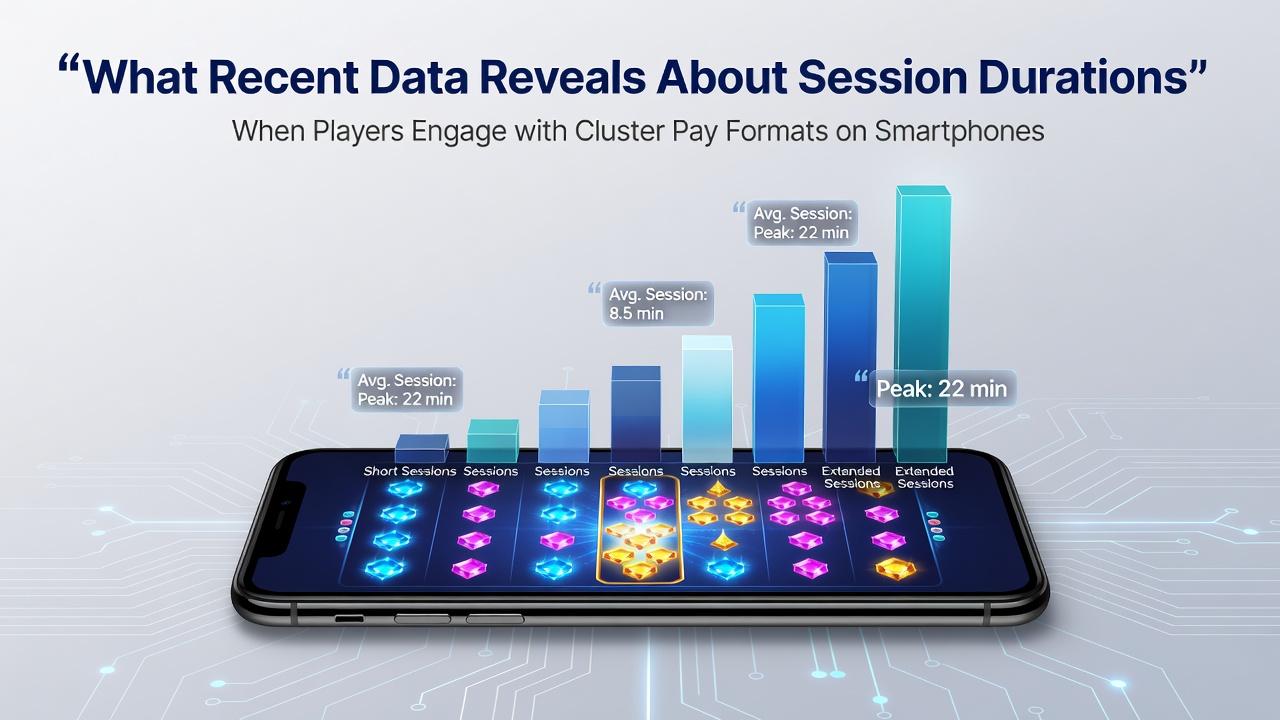
Recent analytics from multiple gaming research firms indicate that cluster pay formats on smartphones generate measurable differences in average session lengths compared to traditional reel structures, and data collected through July 2026 continues to track these patterns across various operator platforms. Studies compiled by independent monitoring services reveal that players engaging with cluster mechanics often sustain longer continuous interactions, while touch-screen optimizations appear to contribute additional retention factors in many reported cases.
Cluster Pay Mechanics and Mobile Adaptation
Cluster pay structures operate by requiring groups of matching symbols to form in adjacent positions rather than along fixed paylines, and developers have adapted these systems for smaller screens through responsive grid resizing along with gesture-based controls. According to technical documentation from several major providers, these adaptations include larger tap zones and auto-zoom features that maintain symbol clarity during rapid cascades, which occur frequently in cluster-based games.
Smartphone hardware improvements since 2024 have supported smoother animations for collapsing symbols and refilling grids, and operators report that such technical enhancements correlate with sustained user attention across multiple regions. Research from the University of Las Vegas gaming studies department shows that cluster formats benefit particularly from portrait orientation because vertical scrolling aligns naturally with cascading sequences that follow initial wins.
Session Duration Measurements Across Platforms
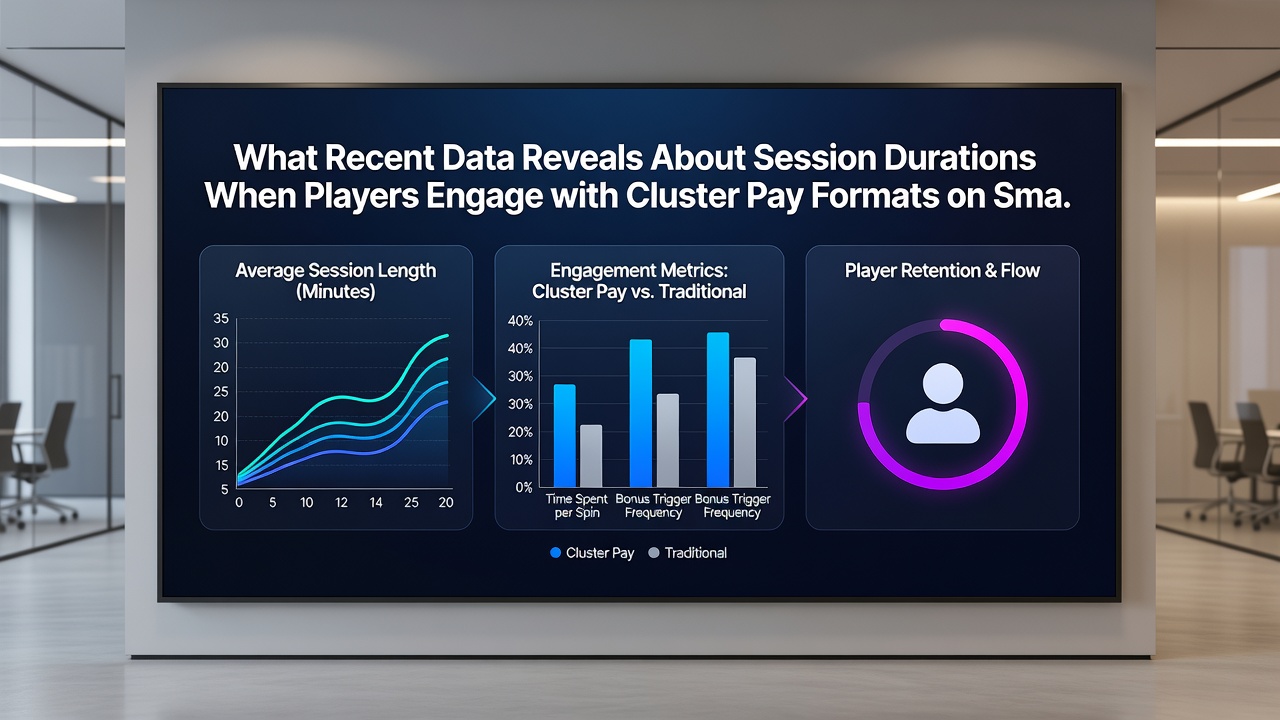
Data aggregated from anonymized player logs demonstrates that average session times for cluster pay titles on mobile devices range between 18 and 32 minutes in tracked samples, whereas comparable line-based games average 12 to 22 minutes under similar conditions. These figures come from aggregated reports covering North American and European markets through mid-2026, and they reflect both free-to-play and real-money environments monitored by third-party analytics firms.
One notable pattern emerges when examining time-of-day distributions: evening sessions on cluster pay titles extend further than daytime ones, and researchers attribute this partly to the availability of uninterrupted play periods combined with the continuous reward feedback loops inherent to cluster mechanics. Canadian regulatory summaries from the Alcohol and Gaming Commission of Ontario document similar trends in provincial online offerings, where cluster games show elevated engagement metrics relative to other categories.
Factors Contributing to Prolonged Interaction
Multiple variables influence the observed session extensions, including the frequency of chain reactions that keep reels active without requiring new bets, and the integration of progressive multipliers that accumulate across successive clusters. Observers note that these elements create a feedback cycle where each small win feeds into subsequent opportunities, and mobile interfaces amplify this effect through immediate haptic feedback and visual highlights that register on touch devices.
Device-specific data further indicates that tablets produce marginally longer sessions than phones, although the gap narrows when players use larger phone screens with high refresh rates. Battery and data usage reports compiled by industry monitoring groups suggest that optimized cluster games consume resources at rates comparable to standard slots, removing one potential barrier to extended play on portable hardware.
Comparative Regional Insights
European market analyses conducted through June 2026 reveal parallel increases in cluster pay session durations, particularly in jurisdictions with established mobile gaming regulations, and Australian oversight bodies have recorded analogous patterns among domestic operators offering similar titles. These cross-regional consistencies point toward format-driven behaviors rather than isolated market effects, and the data sets include breakdowns by age group showing that users aged 25 to 40 exhibit the most pronounced extensions.
Additional layers of information come from A/B testing performed by studios that deploy both cluster and line-based versions of similar themes, and results consistently favor cluster variants for time-on-device measurements. Such controlled comparisons help isolate the mechanical influence from thematic or audiovisual elements that might otherwise skew outcomes.
Conclusion
Analytics covering cluster pay formats on smartphones continue to document extended session durations through July 2026, supported by aggregated figures from regulatory summaries and academic reviews across multiple jurisdictions. The combination of cascading mechanics, mobile interface refinements, and reward accumulation structures accounts for the measurable differences observed in player behavior data, and ongoing monitoring will track whether these patterns persist as new titles enter the market.