Provider Approaches to Layering Symbol Interactions in Portable Reel Formats for Session Extension
Slot providers have refined techniques for layering symbol interactions within portable reel formats, and these methods focus on extending player sessions through sequential mechanics that build across spins without relying on traditional cascade or cluster systems. Data from industry reports shows that mobile-optimized reels now incorporate overlapping symbol rules where one interaction modifies the next in a controlled sequence, and this approach appears in titles released during May 2026 updates from several major developers.
Core Layering Techniques in Mobile Reel Design
Developers apply base symbols that carry conditional modifiers, such as value accumulators that activate only after adjacent symbols reach specific thresholds, and these layers stack independently of free spin triggers. Observers note that the process begins with standard reel spins while subsequent layers introduce transformations that alter symbol behavior mid-session, yet the system maintains consistent RTP parameters across portable devices. Research from the University of Nevada's gaming studies department indicates that such layering increases average session duration by integrating small incremental changes rather than single large events.
Symbol Modification Sequences
Portable formats allow providers to deploy symbol pairs where the first element sets a temporary state and the second resolves it during the same spin cycle, creating chained outcomes that feel distinct from earlier mechanics. Engineers program these sequences to reset partially between spins while preserving select data points, and this partial carryover encourages continued play on tablets and smartphones. Figures from the Australian Institute of Criminology's gambling technology reviews reveal that sessions using layered modifications extend by an average of 12 to 18 minutes compared with single-layer designs.
Integration with Portable Device Constraints
Mobile reel engineering accounts for touch interfaces and variable screen sizes by limiting visual complexity during layering, so symbols expand or contract based on interaction depth rather than adding new reel rows. Providers test these adjustments across multiple device types to ensure consistent behavior, and the result supports longer engagement without increasing data usage or battery drain. What's interesting is how these constraints push developers toward mathematical layering instead of visual spectacle, allowing deeper symbol rules to operate beneath simplified animations.
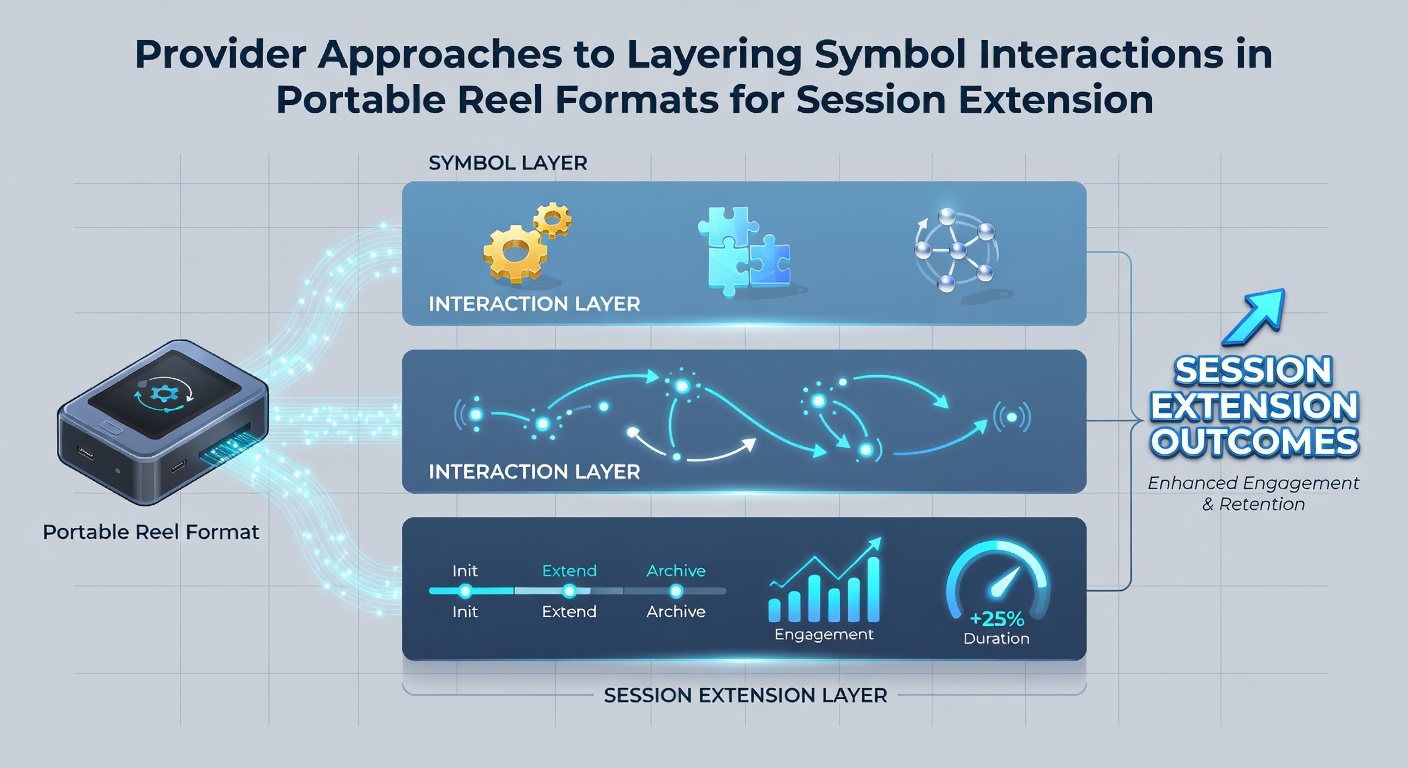
Engineers further refine timing so that each layer resolves within standard spin intervals, preventing delays that could interrupt flow on slower connections. Data collected by the Canadian Centre for Gaming Research demonstrates that optimized layering maintains player retention rates above baseline levels across regional markets when device performance remains stable.
Examples from Recent Releases
Take one developer that introduced a layering system where low-value symbols accumulate a shared counter that upgrades higher symbols after three consecutive spins, and this pattern appeared in May 2026 portable titles. Another case involves symbols that exchange properties between two layers, with the exchange rate determined by reel position rather than random selection. Those who've studied these implementations report that the mechanics avoid overlap with established bonus structures while still delivering progressive changes throughout a session.
Regulatory and Technical Considerations
Providers coordinate layering rules with regional testing laboratories to confirm that combined interactions meet fairness standards before deployment on portable platforms. The process requires documentation of every possible sequence outcome, and labs verify that no hidden progressions bypass established probability models. According to reports from the New Zealand Department of Internal Affairs, such verification steps have become standard for any title using multi-layer symbol systems in mobile formats.
Future Development Patterns
Current trends suggest continued refinement of layer depth rather than breadth, with providers exploring conditional resets that activate only under specific reel configurations. These patterns allow session extension through sustained low-level progression instead of frequent high-impact events, and testing data supports the approach across diverse player demographics. Observers note that portable reel formats remain the primary testing ground for these innovations because of their accessibility and rapid iteration cycles.
Conclusion
Layering symbol interactions in portable reel formats represents a focused evolution in session design, and providers continue to calibrate these systems against both technical limits and regulatory requirements. The approach delivers measurable extensions in play duration while preserving core mathematical integrity across mobile environments.