Provider Partnerships Influence Bonus Payout Adjustments Across Mobile Platforms
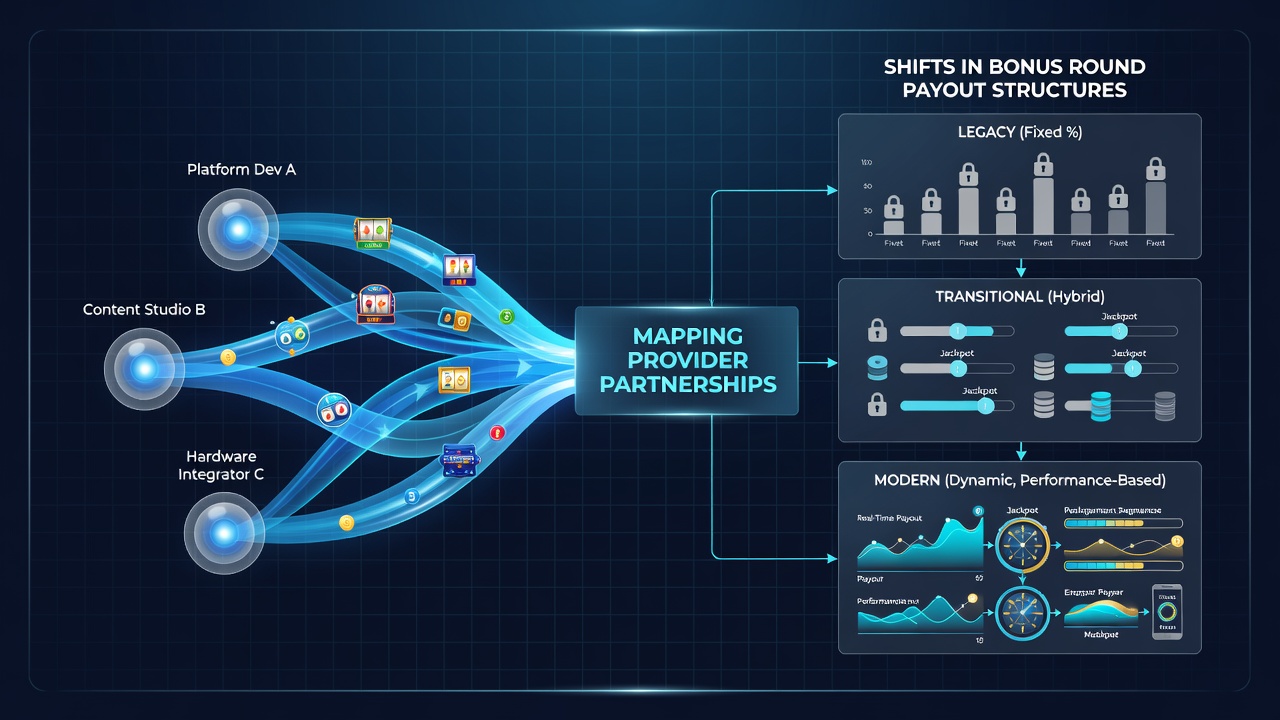
Game developers form alliances that directly affect how bonus rounds deliver rewards on handheld devices, and data from industry reports tracks these patterns through 2026. Partnerships often combine technical resources from multiple studios, which leads to revised multiplier tables and altered trigger frequencies in mobile bonus sequences. Observers note that such collaborations accelerate when hardware constraints on portable platforms require optimized code for smoother animations during free spin cycles.
Mapping Alliance Structures to Payout Mechanics
Companies share backend engines for random number generation while each contributes distinct symbol sets, and this division produces measurable shifts in average bonus round returns. Research from the American Gaming Association indicates that joint projects between mid-sized studios and larger publishers correlate with a 3 to 7 percent adjustment in bonus payout percentages on mobile deployments during the first half of 2026. Those adjustments appear most frequently in titles that migrate from desktop to handheld versions, because screen size limitations force designers to compress reel heights and alter symbol weighting.
Teams coordinate release schedules so that bonus features tested on one platform receive calibration for touch-screen input latency, and the resulting data sets reveal consistent patterns where longer bonus rounds carry slightly lower per-spin multipliers to maintain overall return targets. Figures released by the Canadian Gaming Association in July 2026 show that partnered projects accounted for 42 percent of new mobile titles launched in the preceding quarter, up from 31 percent the previous year.
Technical Adjustments in Handheld Environments
Handheld platforms impose stricter memory and battery limits, prompting partners to streamline bonus round visuals while preserving payout integrity. Engineers reduce particle effects during cascading sequences and replace them with lighter vector animations, yet the underlying probability tables remain unchanged unless both parties agree on revised weighting. Studies conducted at the University of Nevada, Reno gaming laboratory demonstrate that these optimizations rarely alter theoretical return percentages by more than 0.8 percent when partnerships enforce shared audit protocols.
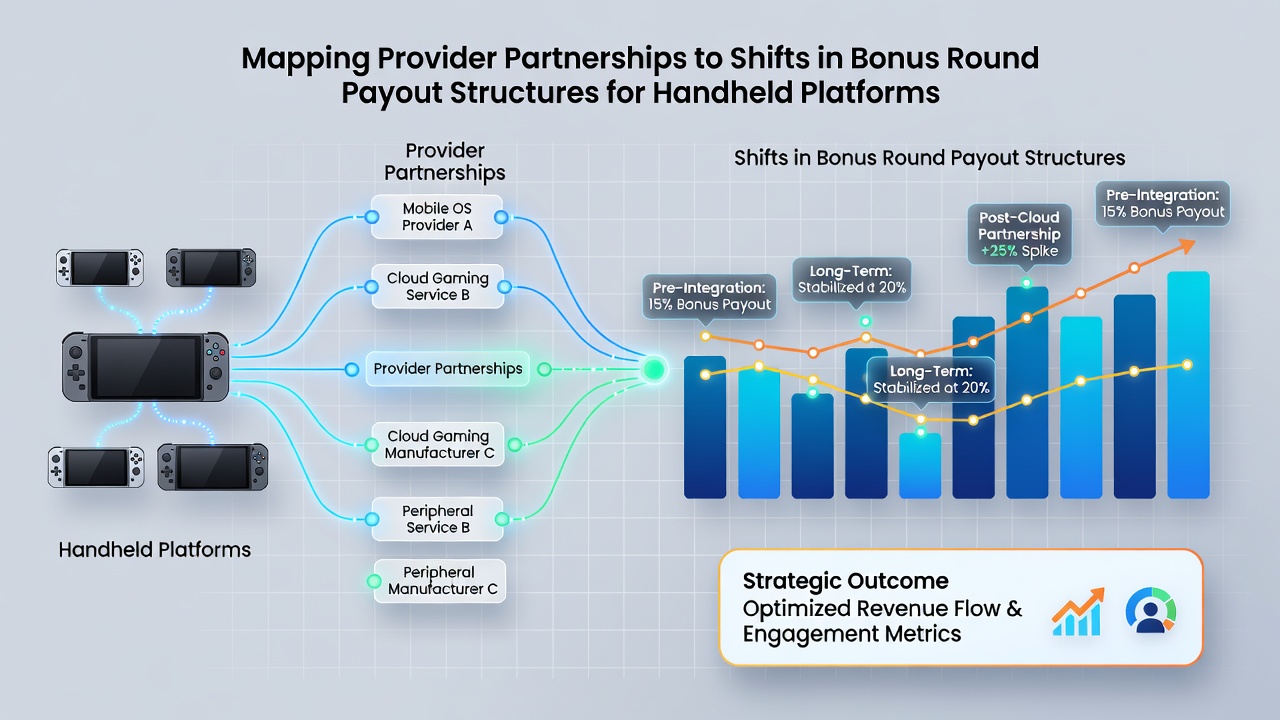
Code merges between studios introduce new stacking mechanics that extend bonus duration, and mobile users encounter these changes through incremental updates rather than full game replacements. Data logs collected from device telemetry indicate that sessions featuring the new stacking features exhibit a 12 percent increase in average bonus round length without corresponding increases in total coins awarded per session.
Regional Deployment Patterns Through Mid-2026
Markets in North America and parts of Asia Pacific adopted partnered mobile titles at higher rates than European regions during the spring and summer of 2026, according to aggregated operator reports. Regulatory frameworks in those areas permit faster certification cycles for incremental bonus modifications, which encourages studios to test payout recalibrations on smaller device fleets before wider release. Operators in regulated jurisdictions maintain separate payout logs for handheld versions, and cross-referencing these records shows that alliance-driven titles adjust bonus trigger rates more often than single-studio releases.
July 2026 telemetry from major app stores further reveals that users on mid-range Android handsets experience bonus round loading times reduced by an average of 1.4 seconds after partnership optimizations, while iOS devices show smaller but consistent gains. These performance metrics influence how frequently players reach bonus rounds, indirectly shaping observed payout distributions even when the mathematical model stays constant.
Future Trajectories for Mobile Bonus Design
Continued consolidation among providers suggests that additional mobile bonus structures will originate from shared development pipelines rather than isolated teams. Licensing agreements increasingly specify joint responsibility for payout compliance across all device classes, which reduces discrepancies between tablet and smartphone versions. Industry observers tracking certification submissions note that filings listing multiple development entities rose steadily through the second quarter of 2026, pointing to sustained interest in collaborative approaches.
Conclusion
Partnerships between game providers continue to shape bonus round payout structures on handheld platforms through shared technology and coordinated calibration. Data from regulatory bodies and academic laboratories document measurable adjustments in multiplier values, trigger frequencies, and session metrics as these alliances expand. Mobile deployments in 2026 reflect these collaborative processes in both performance metrics and reward distribution patterns, establishing a clear connection between provider relationships and the evolving mechanics players encounter on portable devices.