Reels in Revolution: UK Slots Buzz with Bold Trends and Breaking News
UK Gambling Reforms Hit Online Slots Hard: Remote Gaming Duty Soars to 40% from April 2026

The Core Changes Announced
Observers note how the UK government, alongside the Gambling Commission, has locked in sweeping reforms set to kick in on April 1, 2026, reshaping the landscape for online gambling operators; chief among them stands the hike in Remote Gaming Duty from its current 21% rate straight up to 40% on profits generated from key online casino products like slots, roulette, blackjack, and live dealer games, a move that targets remote betting and gaming activities head-on.
And while that tax jump grabs headlines, there's more brewing: a brand-new mandatory statutory levy now applies across gross gambling yield from all sectors, channeling funds directly into gambling harm prevention efforts, something regulators have pushed for amid rising concerns over problem gambling; this levy, distinct from existing voluntary contributions, promises a steady revenue stream for treatment and support services, although exact rates remain tied to ongoing consultations as of March 2026.
But here's the thing that caught many off guard, the outright abolition of Bingo Duty, which levels the playing field for land-based bingo halls struggling against fierce online competition; these traditional venues, long squeezed by digital rivals offering slots and instant-win games, stand to gain breathing room as the duty vanishes, potentially breathing new life into community hubs that have seen footfall dwindle.
Breaking Down the Remote Gaming Duty Surge
The Remote Gaming Duty, or RGD as insiders call it, has long taxed operators on their remote profits at 21%, but data from the recent announcement reveals a doubling to 40% specifically for online casino yields; take slots operators, for instance, who dominate the UK market with high-volume play on titles featuring free spins and progressive jackpots, now facing margins compressed overnight since casino products like roulette wheels and blackjack tables fall under this net, excluding pure sports betting which stays at the lower tier.
What's interesting unfolds when experts crunch the numbers: one analysis circulating in March 2026 projects that for every £100 in online casino profit, operators will fork over £40 in duty instead of £21, slashing take-home by nearly half in some cases; and since slots alone account for a massive chunk of remote gaming revenue, according to Gambling Commission figures, those running high-RTP machines or live casino streams brace for the biggest hit, with smaller outfits potentially rethinking their UK presence altogether.
Yet this isn't happening in a vacuum; the reforms stem from the government's broader Gambling Act review, where evidence gathered over years highlighted how current taxes failed to keep pace with online growth, prompting calls for both revenue boosts and player protections intertwined in the same package.
The New Statutory Levy Explained
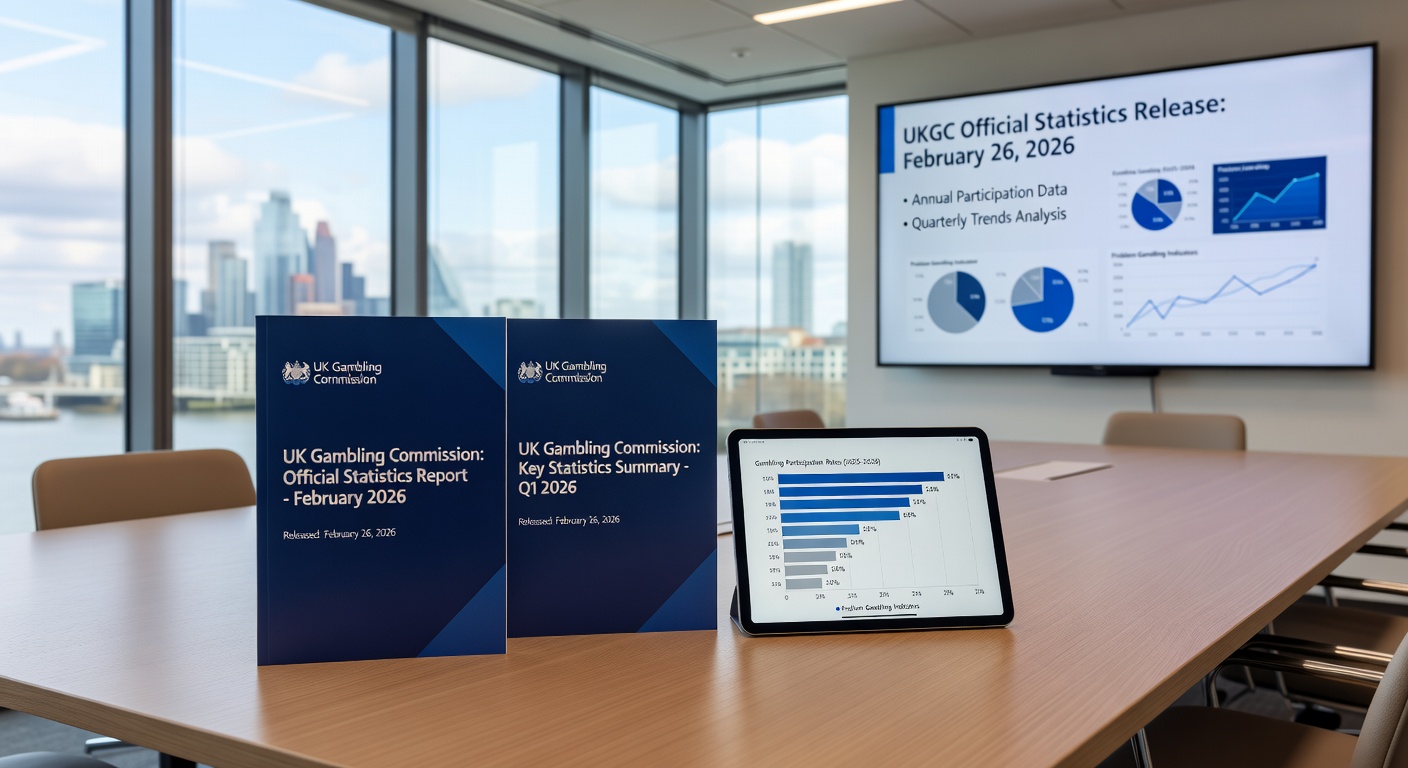
Turning to the levy, researchers point out its mandatory nature on gross gambling yield, meaning operators pay based on total stakes minus winnings before other costs, funneling a portion directly to harm prevention without the patchwork of voluntary deals that preceded it; in March 2026 updates, stakeholders learned this replaces industry-led funding, aiming for transparency since data shows previous contributions hovered inconsistently around £60 million annually, whereas the levy could scale with market size now pegged at over £10 billion in gross yield.
So how does it work in practice? Levy rates, still under final tweaks, apply uniformly across online and land-based, but here's where it gets nuanced: online slots providers, already reeling from RGD, now layer this on top, creating a double whammy that squeezes profitability further; one case study from a mid-tier operator illustrates the strain, where combined taxes and levies could eat 45-50% of yields, leaving little for innovation like RTP enhancements or new game launches.
That said, proponents argue the levy addresses a critical gap, since Gambling Commission reports reveal over 400,000 problem gamblers in the UK, with online slots implicated in many cases due to their fast-paced, high-engagement design; funds will support NHS-integrated services, research, and education, marking a shift toward sustainability even as operators adapt.
Bingo Duty Abolition: A Lifeline for Land-Based Venues
Now consider the flip side with Bingo Duty's abolition, a relief valve for physical bingo halls that have battled declining attendance; these spots, once community staples, faced a 15% duty on takings, but axing it removes that barrier, allowing reinvestment in modernizing floors or even hybrid online offerings to compete with slots giants.
Industry watchers highlight how online bingo and slots siphoned players away, with digital platforms boasting 24/7 access and bonuses that brick-and-mortar couldn't match; post-abolition, experts predict a modest revival, perhaps boosting local economies where halls employ hundreds, although the overall market share for land-based bingo lingers under 5% per recent stats.
And while it doesn't offset online pain points, this change underscores the reforms' dual aim: bolstering vulnerable sectors while ramping up safeguards elsewhere, a balancing act refined through extensive consultations wrapping up in early 2026.
Industry Stakeholders Sound the Alarm
Stakeholders haven't held back, voicing sharp concerns over the reforms' fallout; according to a key report from iGaming Express, online slots operators warn of squeezed margins pushing some toward market exits, especially those reliant on high-volume, low-margin casino games where 40% duty erodes viability overnight.
Take one vocal trade group representing remote operators; they argue the tax leap ignores competitive pressures from unregulated offshore sites, potentially driving players there and undermining UK regulation; figures they cite show average operator profits already thin at 10-15% post-expenses, so layering on levy and duty hikes risks consolidation, with big players like Entain or Flutter absorbing blows while independents fold.
But operators aren't alone in the fray: land-based casino reps applaud bingo relief yet fret over levy's broad brush, and harm prevention advocates cheer the funding surge, creating a chorus of reactions as March 2026 consultations wind down toward implementation.
People who've studied these shifts often discover unintended ripples, like innovation slowdowns where developers cut back on UK-tailored slots featuring player-favorite free spins or jackpots, opting instead for less regulated markets; that's the reality check echoing through boardrooms right now.
Broader Context and Timeline
These changes cap a multi-year review sparked by the 2023 Gambling White Paper, where data underscored online slots' role in harm alongside explosive growth; regulators tested stake limits earlier, but taxes emerged as the revenue lever, with April 1, 2026, marking full rollout after transitional periods.
In March 2026 specifically, final guidance dropped, clarifying levy mechanics and duty scopes, giving operators scant months to recalibrate models; observers track how some pivot to sports betting exemptions or international expansion, while others lobby for phased rollouts that didn't materialize.
It's noteworthy that despite pushback, the package enjoys cross-party support, rooted in evidence linking higher duties to better-funded protections without stifling the £15 billion sector entirely.
Conclusion
So as April 2026 looms, the UK gambling scene braces for transformation, with Remote Gaming Duty at 40% reshaping online slots and casino ops profoundly, the statutory levy fortifying harm efforts, and Bingo Duty's end offering land-based hope; industry voices highlight risks like exits and margin crunches, yet data affirms the push for balance amid growth. Stakeholders watch closely, knowing adaptation spells survival in this high-stakes pivot; the ball's now in operators' courts to navigate what's ahead.