UK Gambling Commission Introduces Stricter Controls on Non-Compliant Gaming Machines and Illegal Land-Based Operations

The UK Gambling Commission has outlined enhanced enforcement steps targeting operators who fail to meet licensing standards for gaming machines while ramping up efforts to address illegal land-based gambling activities, with these measures presented publicly during an industry gathering in early May 2026.
Announcement at the Bingo Association Annual General Meeting
Acting chief executive Sarah Gardner delivered the key remarks at the Bingo Association’s annual general meeting held on 7 May 2026, where she outlined the regulator’s approach of taking decisive action against non-compliant entities while maintaining open channels for cooperation with those operators who consistently adhere to established rules and technical requirements, and attendees received clear indications that immediate removal of unlicensed or substandard machines would become mandatory under the updated framework.
Observers note that the timing aligns with broader government initiatives aimed at strengthening oversight across the land-based sector, and Gardner’s statements highlighted how the Commission plans to enforce these standards without unnecessary disruption for fully compliant businesses that already operate within the correct technical parameters.
Implementation Timeline and Operator Obligations
New rules scheduled to take effect on 29 July 2026 will require all non-remote operators to remove any gaming machines that lack proper technical licences or fail to meet current standards right away, creating a clear deadline that gives the industry several weeks to prepare while ensuring swift compliance once the date arrives, and this approach allows regulators to focus resources on verification processes that confirm machines meet the necessary criteria before they return to use.
Key Enforcement Priorities
Enforcement will concentrate on immediate withdrawal of machines that do not satisfy licensing conditions, with the Commission empowered to issue directives that prevent continued operation of non-compliant equipment in venues across the country, and operators receive guidance that stresses prompt action to avoid penalties associated with rule violations.
Government Funding Allocation for Enforcement Efforts
The government has committed £26 million over three years specifically to support initiatives that combat illegal gambling operations, providing dedicated resources that enable the Commission and partner agencies to conduct targeted investigations and monitoring activities in the land-based environment, and this funding stream underpins the practical delivery of the tougher measures announced at the May meeting.
Those who have examined similar past programmes point out that sustained financial support often improves detection rates for unauthorised machines and venues, allowing regulators to respond more effectively when complaints or intelligence reports surface regarding illegal activities, and the three-year span offers continuity that helps build expertise among enforcement teams responsible for upholding the new standards.
Cooperation Framework wth Compliant Operators
Gardner emphasised that the regulator intends to work alongside operators who demonstrate ongoing adherence to licensing conditions, creating a dual-track strategy that penalises breaches while recognising and supporting businesses that maintain high compliance levels through regular audits and technical checks, and this balanced method aims to preserve legitimate operations that contribute to regulated gambling environments.
Industry participants at the annual general meeting heard that clear communication channels will remain open so compliant operators can seek clarification on technical standards or report issues promptly, reducing the likelihood of unintentional violations while the Commission focuses enforcement energy on persistent or deliberate non-compliance cases.
Scope of Measures Targeting Illegal Land-Based Gambling
The strengthened enforcement extends beyond machine licensing to encompass broader actions against illegal land-based gambling sites and activities, with the allocated funding supporting joint operations that identify and shut down unauthorised premises or equipment, and regulators expect these efforts to produce measurable reductions in unregulated gambling opportunities over the funding period.
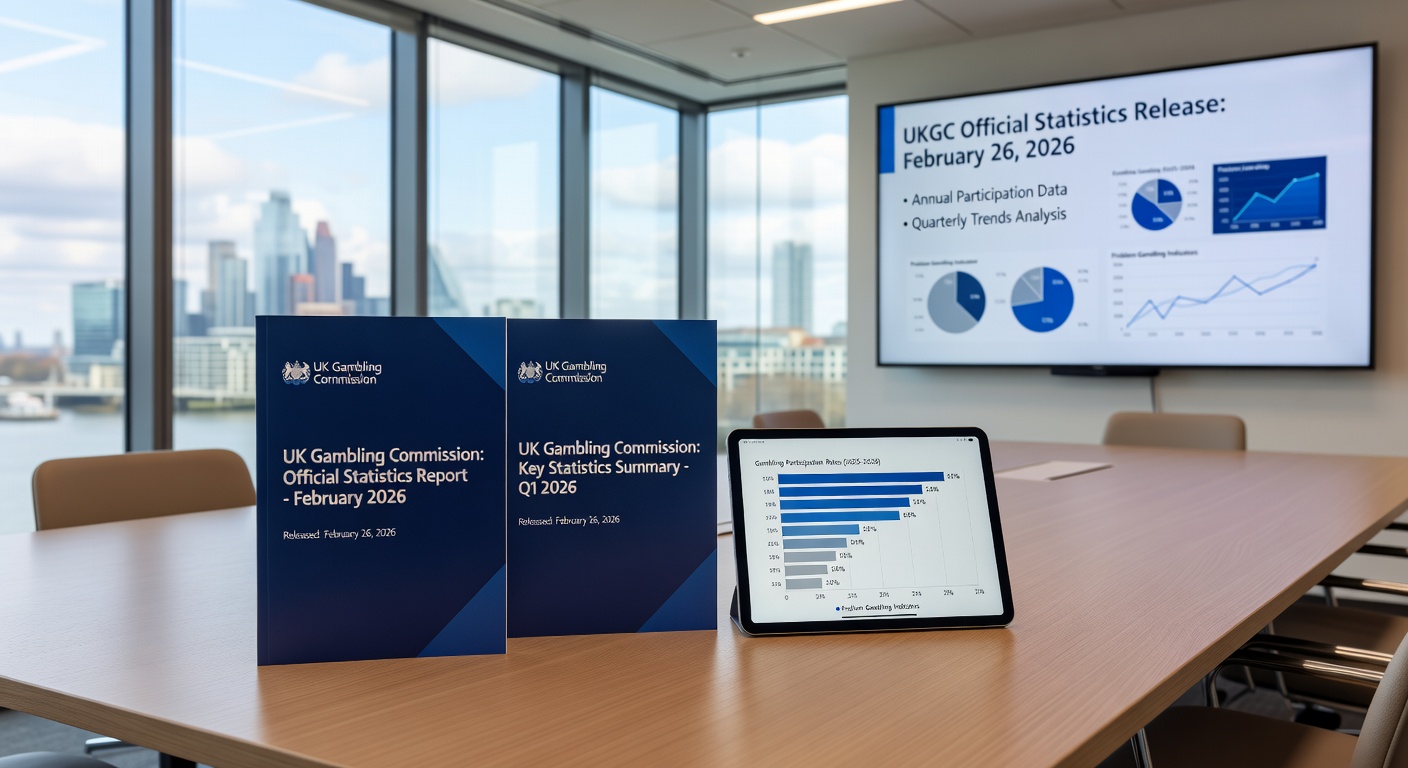
Figures from recent national participation surveys provide context for why such targeted interventions matter, showing steady interest in land-based venues alongside the need for safeguards that keep all gambling activity within licensed boundaries, and the Commission’s approach integrates these insights into its operational planning for the coming years.
Conclusion
The measures announced on 7 May 2026 establish a defined path forward for non-remote operators, with mandatory machine removals beginning 29 July 2026 and sustained government backing through the £26 million programme that runs across three years, and Sarah Gardner’s statements at the Bingo Association meeting underscore a commitment to firm yet collaborative regulation that distinguishes between rule-breakers and those who meet every technical and licensing expectation. This framework positions the UK Gambling Commission to address both machine compliance and wider illegal operations through coordinated enforcement supported by dedicated resources.