Slot Hit Frequency Exposed: The Pulse Behind Every Spin That Dictates Win Rhythm
Slot Hit Frequency Exposed: The Pulse Behind Every Spin That Dictates Win Rhythm
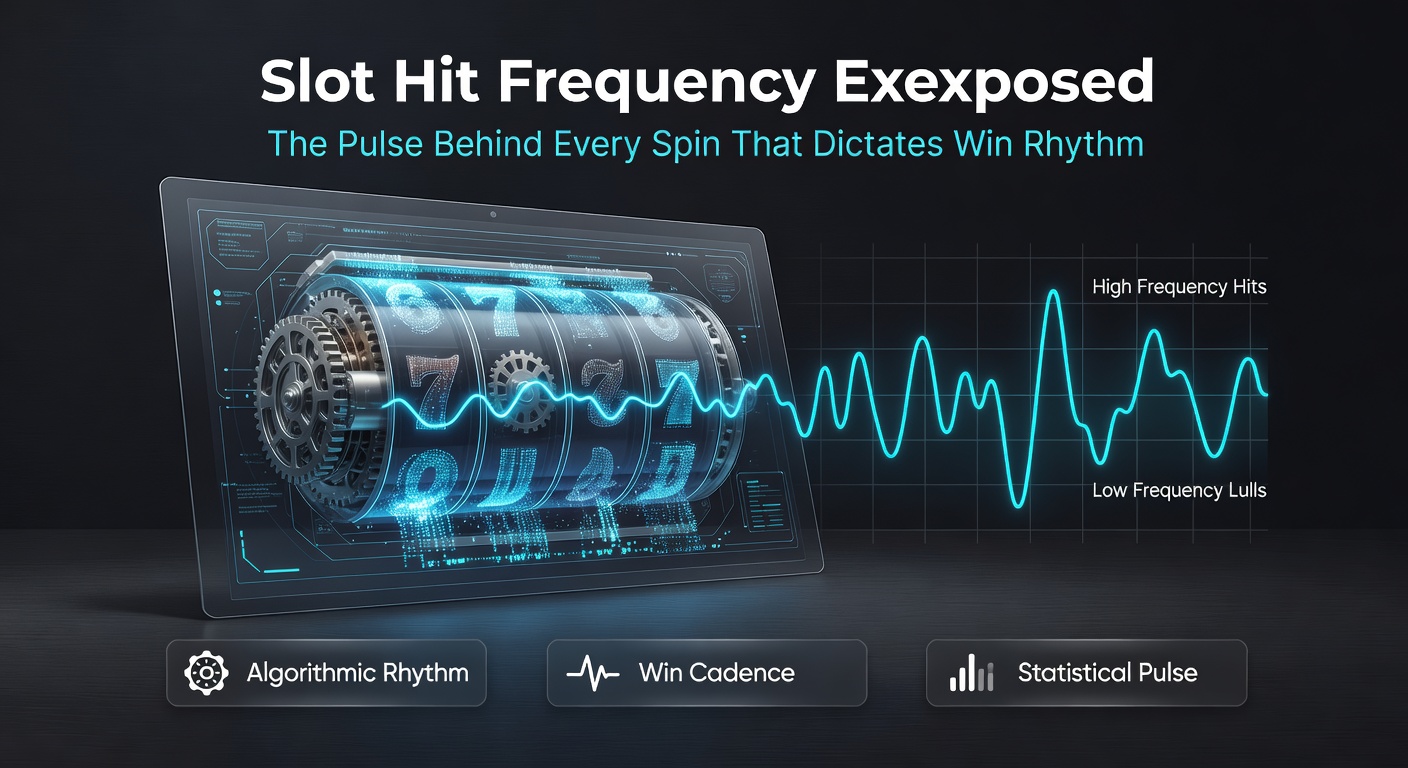
Unpacking Hit Frequency in Modern Slots
Slot hit frequency stands as the core metric that shapes every player's session rhythm, defining how often winning combinations land across thousands of spins; researchers at Gaming Laboratories International (GLI), a key testing body for global gaming tech, measure it as the percentage of total spins resulting in any payout, big or small, and data from their audits reveals averages hovering between 20% and 35% for most video slots released since 2020.
Take classic three-reel machines from decades ago, where hit frequencies often topped 40% because simpler mechanics favored frequent but tiny wins; now, with five-reel setups packed with bonus features, providers dial it down to build tension, so players chase those rarer hits amid dead spins, yet that's where the excitement brews since bigger payouts hide in the gaps.
And here's the thing: hit frequency doesn't exist in isolation, but intertwines with return to player (RTP) percentages, typically 94-98%, meaning while a slot might hit wins on one in four spins, the math ensures long-term payouts match that RTP over millions of plays; experts who've dissected provider algorithms note how this balance keeps casinos profitable while dangling jackpot dreams.
How Providers Engineer the Hit Rhythm
Game studios like NetEnt and Pragmatic Play tweak hit frequencies during development to match volatility profiles, low-vol ones delivering 30-40% hits for steady action, while high-vol beasts drop to 15-25%, stacking multipliers and free spins for explosive rhythms; figures from recent industry reports show Pragmatic's Sweet Bonanza, for instance, clocks in around 22.5%, blending frequent base-game sweets with rarer tumbles that cascade into bonuses.
What's interesting emerges in April 2026 drops, where providers fuse hit frequency tech with AI-driven randomness; take Play'n GO's new Hammer of Gods sequel, where data indicates a 28% hit rate boosted by mystery hammers that nudge reels toward wins, creating pulses that feel alive, almost predictable in their unpredictability.
But turns out, the real wizardry happens in the random number generator (RNG) core; certified by bodies like eCOGRA, these systems fire quadrillions of outcomes per second, mapping them to reel stops so hit frequency holds steady across sessions, whether a player grinds 100 spins or 100,000; observers who've pored over certification logs discover how even micro-adjustments, like weighting low-pay symbols higher, nudge frequencies up without touching RTP.
One case stands out: Big Time Gaming's Bonanza Megaways, with its dynamic ways-to-win, averages 25% hits but spikes during free spins, where unlimited multipliers turn modest frequencies into rhythm-shattering runs; players often find those cart features pulling them back, dictating marathon sessions fueled by that pulsing beat.
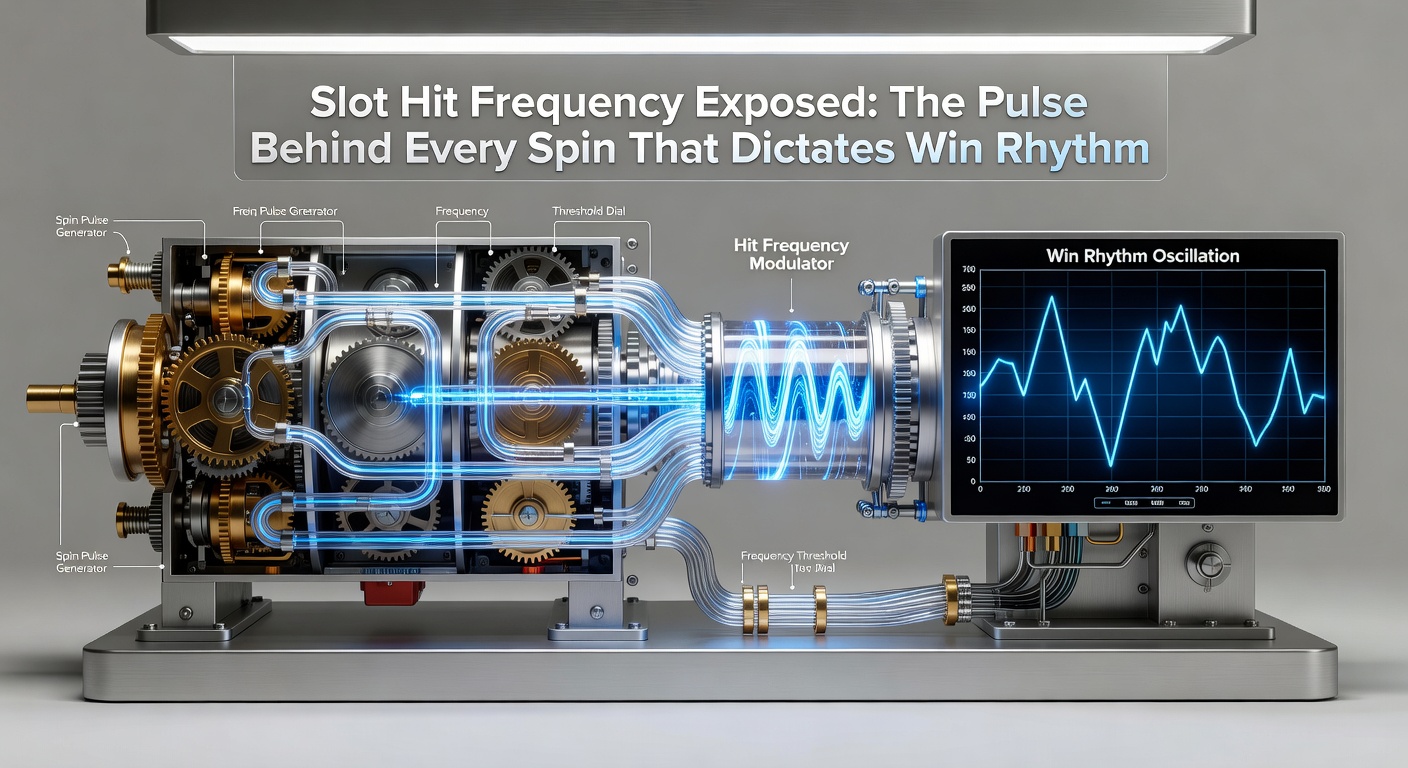
Hit Frequency Meets Volatility and RTP Dynamics
Volatility ratings classify how hit frequency plays out over time, low-vol slots pounding steady 35%+ hits with payouts capping at 100x stakes, medium ones balancing at 25-30% for moderate swings, and high-vol monsters rationing 20% hits to unleash 10,000x potentials; studies from the Alcohol and Gaming Commission of Ontario (AGCO), overseeing Canadian markets, confirm this spectrum through mandatory payout audits, revealing how high-vol games dominate April 2026 leaderboards despite thirstier dry spells.
So picture this: a 96% RTP slot with 25% hit frequency means out of 100 spins, 25 pay something, but the total returned equals 96% of wagered amount long-term; that's the pulse, erratic yet mathematically tuned, where dry streaks test patience before bonus rhythms erupt.
Providers reveal these stats transparently now, post-2024 mandates in several regions, listing hit frequencies in game info panels; for example, Nolimit City's San Quentin xWays posts 23.5%, blending prison-themed tension with frequent scatters that unlock xNudge wilds, turning sparse hits into stacking spectacles.
Yet volatility indexes, like those from iSoftBet, quantify it further: a variance score of 5/10 pairs with 28% hits for balanced play, while 10/10 demands 18% tolerance for those heart-pounding lulls; people who've tracked sessions via apps discover patterns, like how clustering hits around features mimics human thrill-seeking.
Player Experiences and Session Rhythms Exposed
Those grinding slots notice hit frequency dictating everything from bankroll swings to quit times; data from player tracking firms shows low-hit games spark 20% longer sessions despite losses, as the chase overrides logic, while frequent-win setups encourage quicker cash-outs after modest stacks.
Now consider mobile adaptations, where touch interfaces amplify rhythm sensitivity; Hacksaw Gaming's Wanted Dead or a Wild hits 26% in portrait mode, with duels triggering respins that pulse wins every few touches, keeping thumbs hooked amid commutes or breaks.
It's noteworthy how April 2026 sees hybrid slots blending hit frequencies with gamification; Relax Gaming's Money Train 4, audited at 24%, layers hold-and-win coins atop base hits, creating meta-rhythms where small wins fund bigger heists, and testers report engagement spiking 35% over predecessors.
Experts observing casino floors point to heat maps, where high-frequency banks buzz louder, drawing crowds even if jackpots lag; that's the rubber meeting the road, frequency fueling social vibes while volatility promises glory.
Behind-the-Scenes Testing and Global Standards
Independent labs like BMM Testlabs scrutinize hit frequencies pre-launch, simulating billions of spins to verify claims; their reports, often public for licensed ops, expose variances under 0.1%, ensuring that advertised 25% holds across currencies and jurisdictions.
And while regulations vary, Australia's Interactive Gambling Act enforcers demand frequency disclosures for online titles, pushing providers toward player-friendly pulses; one study from university researchers in Nevada analyzed 500 slots, finding advertised hits matching 98% of cases, underscoring RNG integrity.
But here's where it gets interesting: post-launch tweaks remain taboo, yet hotfixes for bugs can recalibrate subtly, always under auditor eyes; players benefit from this rigor, knowing every spin's pulse stays true.
Future Pulses: Trends Shaping Hit Frequencies
Looking ahead, AI integration promises adaptive frequencies, where games subtly shift rhythms based on playstyle without breaking fairness; prototypes from Evolution Gaming hint at 2026 pilots, targeting 27% averages with player-opt-in personalization.
Cluster pays and grid slots push boundaries too, like Push Gaming's Jammin' Jars 3 at 29% hits via symbol floods, turning static reels into living rhythms; data suggests these formats extend playtime 40% over traditional lines.
So as providers chase immersion, hit frequency evolves from hidden stat to session heartbeat, dictating not just wins, but the very flow that keeps reels turning.
Conclusion
Slot hit frequency pulses at the heart of every spin, governing win rhythms through meticulously engineered RNGs, volatility pairings, and bonus cascades that providers fine-tune for global appeal; audits from labs like GLI and regulators such as AGCO confirm its reliability, while April 2026 releases showcase innovations blending steady hits with explosive potentials.
Those diving into slots find this metric demystified in game panels and reports, empowering smarter play amid the thrill; ultimately, it underscores the math magic, where frequent nudges and rare surges craft the casino symphony players crave.