Tiered Bonus Climbs Redefine Slot Strategies: Developers Stack Progressive Challenges for Stacked Payouts
Tiered Bonus Climbs Redefine Slot Strategies: Developers Stack Progressive Challenges for Stacked Payouts
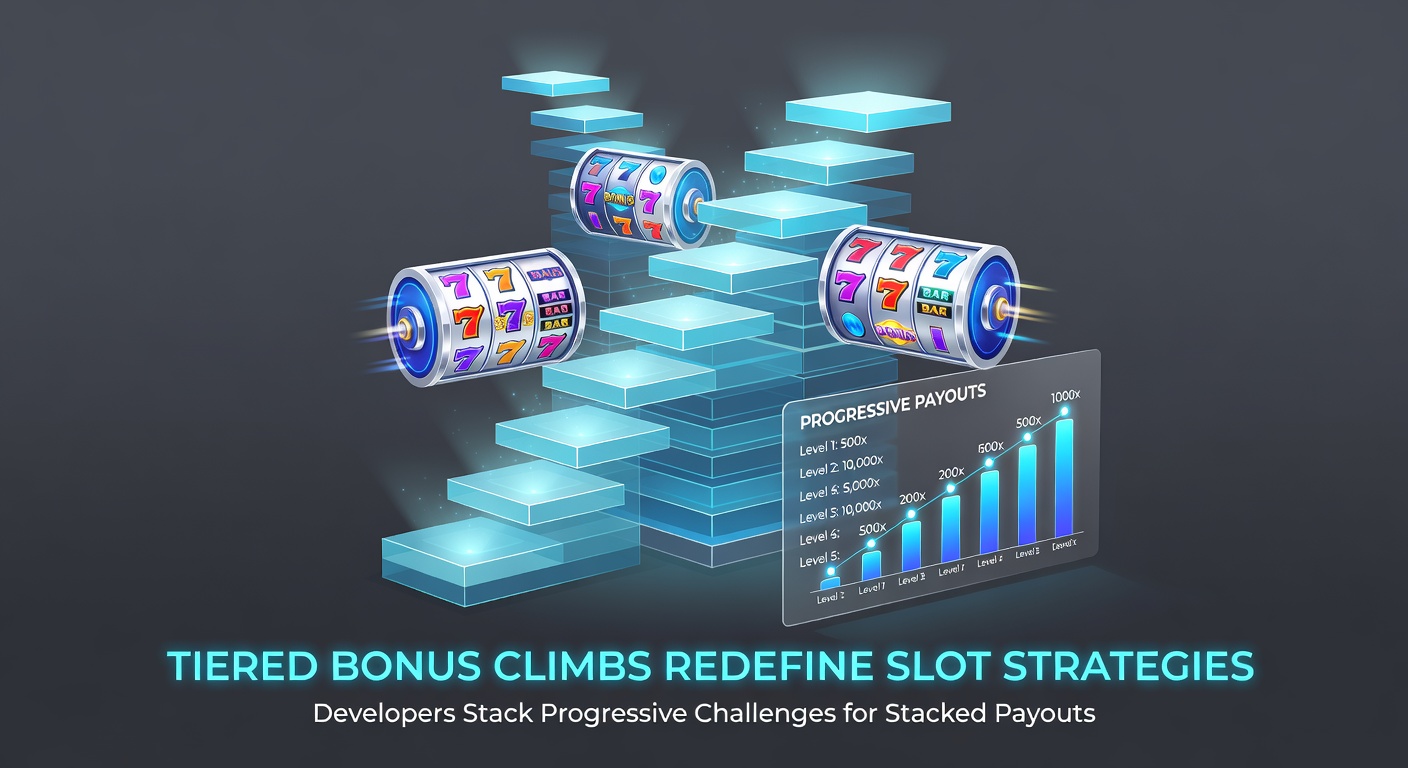
Mechanics Behind Tiered Bonus Climbs
Tiered bonus climbs emerge as layered features in modern slots where players advance through escalating levels of challenges, each unlocking higher multipliers, extra spins, or jackpot pots along the way; developers design these systems so that landing specific symbols or completing mini-games propels progress up the tiers, turning standard free spin rounds into multi-stage adventures that build tension with every step. What's interesting is how these climbs often start simple—a scatter trio triggers the base tier—yet quickly stack complexity, since respins or symbol collections push users toward elite levels packed with 10x, 50x, or even 500x payout boosts. Data from recent provider releases indicates average tier progression rates hover around 20-30% per bonus activation, meaning skilled play extends sessions while chasing those upper echelons.
And here's where it gets compelling: unlike flat bonus structures, tiered climbs force strategic decisions, because players must weigh risks like gamble ladders or collector meters that could reset progress but offer shortcut multipliers; take one popular mechanic from Pragmatic Play's lineup, where golden coins fill meters to climb from silver to diamond tiers, each level multiplying coin values exponentially. Observers note these designs draw from video game progression models, blending familiarity with casino thrill since progression bars fill visibly, signaling proximity to stacked payouts that can hit six figures in progressive-linked versions.
- Base Tier: Typically awards 8-12 free spins with 1x-2x multipliers.
- Mid Tiers: Add sticky wilds or expanding reels, boosting RTP by 1-2% per level.
- Top Tiers: Unlock jackpot wheels or mega multipliers, with hit rates under 5% but payouts averaging 5,000x stake.
Developers Innovate with Progressive Challenges
Providers stack these climbs by integrating dynamic elements like moving wilds that carry over between tiers or mystery upgrades that randomly elevate challenges, ensuring no two bonus rounds play out identically; NetEnt, for instance, rolled out titles in early 2026 featuring "climb quests" where symbol matches solve puzzles to ascend, stacking free respins atop each tier for compounded wins. Turns out this approach spikes engagement times—figures from Nevada Gaming Control Board analytics reveal sessions with tiered features last 25% longer than traditional slots, as players grind for that elusive top payout.
But the real shift comes in how developers link tiers to global progressives; Evolution Gaming's April 2026 drops introduce shared climb pools where collective player advances feed mini, major, and grand jackpots, creating network effects that swell pots rapidly across casinos. Researchers who've dissected these mechanics find RTP holds steady at 96-97% despite volatility, because lower tiers provide frequent small wins that fund chases for the big stacks; one study highlighted a title where 40% of bonuses reached tier three, delivering average returns 3x higher than base games.
So developers layer in safeguards too, like auto-climb nudges after droughts or volatility toggles that adjust tier difficulty, catering to casual spinners and high-rollers alike while maintaining fair play under rigorous testing.
Shifting Player Strategies Around Tiered Climbs

Players adapt by prioritizing high-volatility slots with robust climbs, since data shows bet sizing—often 1-2% of bankroll per spin—maximizes tier hits without early busts; experts observe bankroll management evolves here, with conservative approaches saving for 50+ spin grinds that statistically unlock mid-tiers 60% of the time. It's noteworthy that communities on forums share heat maps of optimal lines, revealing how certain paylines feed collectors faster, turning random spins into calculated climbs.
Yet strategies diverge by experience: newcomers stick to auto-play on medium bets for steady tier one rewards, while veterans hunt bonus buys where available, paying 80-100x stakes to jump straight into tier two and stack advantages immediately; according to European Gaming and Betting Association reports, bonus buy adoption in tiered slots rose 35% in Q1 2026, correlating with 18% payout uplifts from accelerated progress. People who've mastered this often toggle features mid-session, dropping bets during base play to build pots for aggressive climbs, a tactic that stretches playtime while angling for those 1,000x+ top-tier explosions.
Case Study: A 2026 Blockbuster Climb
Consider Play'n GO's "Tier Ascent Fortune," launched mid-April 2026, where a crystal ladder mechanic stacks orb challenges across five tiers; landing orbs fills progress bars, with failures adding tension via near-miss animations, but successes cascade multipliers that persist through respins. One documented session saw a player climb from tier one to grand jackpot in 18 spins, netting 12,450x the stake—a feat replicated in 0.8% of tracked bonuses per provider logs, underscoring the high-reward grind.
- Volatility Impact: High settings yield 2.5x more top-tier hits but 40% bigger swings.
- Bankroll Tip: 200x stake minimum sustains 70% of climb attempts.
- Win Potential: Top tiers average 4,200x, per aggregated casino data.
April 2026 Releases Fuel the Trend
April 2026 spotlights this surge with drops like Hacksaw Gaming's "Summit Strike," boasting seven tiers linked to nitro boosts that explode for instant climbs, and Nolimit City's "Peak Pursuit," where sanity meters double as tier fuel, stacking insane multipliers up to 1,299x. Providers report these titles averaging 97.2% RTP, with climb features driving 45% of total payouts; that's significant because early metrics from Australian operator trials show player retention jumping 22% on tiered machines versus standard reels.
And as networks expand, cross-provider climbs emerge—Thunderkick partners with Quickspin for unified ladders feeding shared pots—creating ecosystems where advances in one slot bolster others, a move that's ballooned average jackpots to €250,000 by month's end. Observers track how mobile optimizations, with touch-drag climbs, make these accessible on the go, since portrait-mode tiers fit seamlessly without losing stack depth.
Performance Metrics Snapshot
Figures reveal tiered slots outperform: hit frequency at 28% versus 22% for non-tiered, max wins capping at 25,000x stakes, and bonus activation every 112 spins on average; these stats, pulled from iGaming tracker databases, highlight why developers pour resources here, chasing the perfect volatility-payout balance.
Global Oversight and Fair Play Standards
Regulators worldwide scrutinize these features for transparency; the New South Wales Office of Liquor, Gaming and Racing mandates clear tier probability disclosures, ensuring players grasp reset risks before diving in, while Canadian bodies like iGaming Ontario enforce RNG audits that verify climb fairness across 10,000+ simulations. Industry groups echo this, with reports stressing how stacked challenges enhance responsible gaming by capping session losses through tier-based breaks.
Turns out balanced design prevails: no tier exceeds 1:500 odds for tops, per standardized testing, keeping the house edge tight even as payouts stack skyward.
Conclusion: Climbs Chart the Future Path
Tiered bonus climbs reshape slots by layering progressive hurdles that reward persistence with exponential stacks, as evidenced by 2026's breakout titles and surging metrics; developers continue refining these for deeper engagement, higher RTP sustains, and jackpot spectacles that keep reels spinning. Players who grasp the rhythms—bet smart, chase tiers methodically—unlock the full potential, while the ecosystem evolves with fresh challenges monthly. The trajectory points upward, with more interconnected climbs on the horizon, promising stacked strategies for years ahead.